
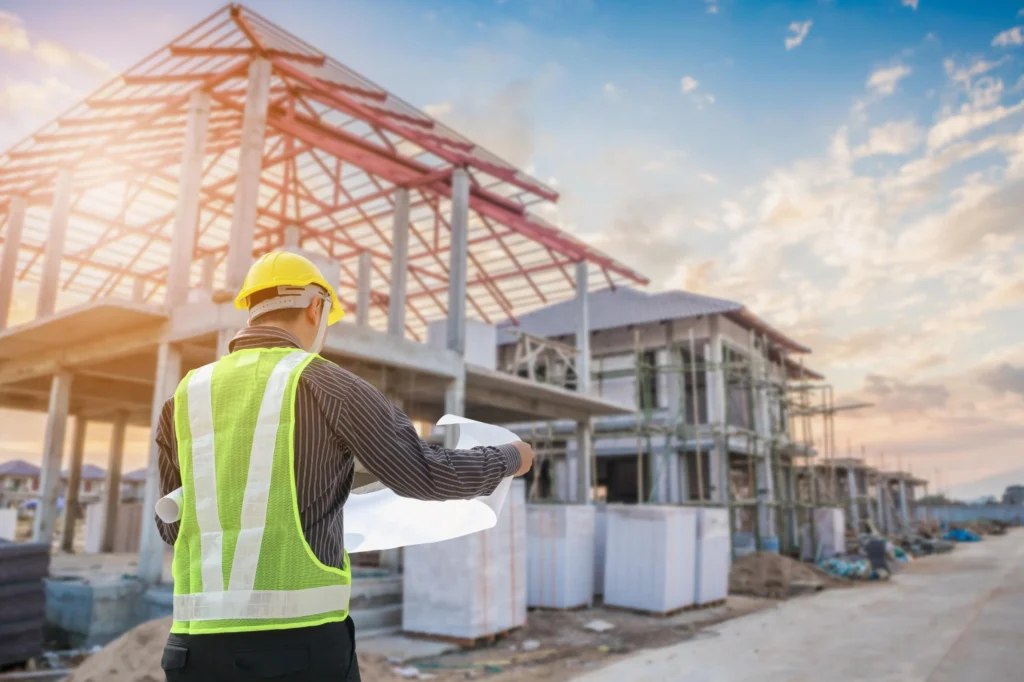
Building a home is exciting, but it’s also one of the biggest purchases you’ll make, and it helps to know where your money is going before you start. The final cost depends on the lot you build on, the design you choose, the materials that go into it, and the labor to put it all together. When you understand what drives those numbers, you can plan more carefully and be far less likely to run into surprises along the way.
1. Size and Design of the Home
When it comes to what a home costs to build, size usually matters most. A bigger house takes more materials, more labor, and more weeks on the job. The layout plays a part too. Every extra corner, roofline, or custom feature adds work, so a simple, straightforward plan will almost always cost less than a complicated one.
- Square Footage: Larger homes typically cost more to build.
- Architectural Design: Custom layouts, high ceilings, and unique features may require additional work.
- Number of Rooms: Extra bedrooms, bathrooms, and living areas increase material and installation costs.
2. Land and Site Preparation
Where you build matters as much as what you build. A lot that’s sloped, rocky, or heavily wooded may need clearing, grading, or other prep work before anyone can pour a foundation. Location plays a role too, since access, local conditions, and distance from suppliers can all push the cost up or down.
Important considerations include:
- Land Conditions: Uneven terrain, poor soil, or rocky ground may require additional work.
- Excavation and Grading: Clearing vegetation and leveling the property can increase initial expenses.
- Utilities and Access: Connecting water, electricity, and sewage systems adds to the overall budget.
3. Building Materials and Finishes
Materials are one of the places where your choices show up most clearly in the final bill. Better quality usually costs more, and so does anything that’s in short supply or has to travel a long way to reach your site.
For example, premium flooring, custom cabinetry, energy-efficient windows, and high-end countertops can increase the total cost. Choosing durable, budget-friendly alternatives can help control spending without compromising essential quality.
4. Labor and Contractor Costs
Good builders and tradespeople are what keep a project safe and on schedule, and their time is a real part of the budget. What you pay for labor depends on how complex the job is, what wages look like in your area, and how easy it is to find qualified people when you need them.
Experienced professionals can save you money in ways that don’t show up on a quote. They know how to avoid the mistakes that lead to rework and delays. A reliable construction company also keeps the different stages of the build in sync, so the right crew shows up at the right time and your budget goes where it should.
5. Permits, Regulations, and Unexpected Expenses
Permits and inspections don’t get much attention when people dream about a new home, but they cost real money and need a place in your budget. What you’ll pay and what you’ll need depends on your location and the scope of your project, so it’s smart to call your local building department early.
Even a well-planned build can run into surprises. Bad weather can slow the crew down, material prices can climb, and the ground can turn out to be harder to work with than anyone expected. Setting aside a contingency fund gives you a cushion for those moments, so a surprise cost doesn’t bring the whole project to a stop.
How Can You Manage Home Construction Costs?
Careful planning can help you maintain control over your budget. Consider these practical steps:
- Establish a realistic budget before starting.
- Finalize your design and material choices early.
- Obtain detailed estimates and clarify what each quote includes.
- Prioritize essential features over optional upgrades.
- Track expenses throughout the construction process.
How Can Working With a Professional Save Money?
Building a home goes more smoothly when someone with experience is guiding it. A good construction professional lays out the work before it begins, keeps every contractor on the same schedule, and watches that materials and time don’t go to waste. They can recommend materials that match what you need and catch small issues while they’re still quick and inexpensive to fix. With a realistic budget and steady oversight, your money goes into the house itself rather than into mistakes that could have been avoided.
Conclusion
Knowing what drives the cost of a home build makes it much easier to plan a project that fits your needs and your budget. At BRYXON Developments, we bring construction and project management experience to every build and help homeowners work through each stage with confidence. To talk about your home construction plans, call (705) 795-5470.
FAQs
What is the biggest factor affecting home construction costs?
Home size is a major factor because larger properties generally require more materials and labor. Design complexity, location, and material choices also influence the total cost.
Can I reduce home construction costs without sacrificing quality?
Yes. Choosing practical designs, comparing material options, finalizing plans early, and working with experienced professionals can help control expenses while maintaining quality.
Why should I set aside a contingency fund for home construction?
A contingency fund helps cover unexpected expenses, such as site preparation issues, material price increases, or weather-related delays. It provides financial flexibility throughout the project.